

 Image 1 of 1
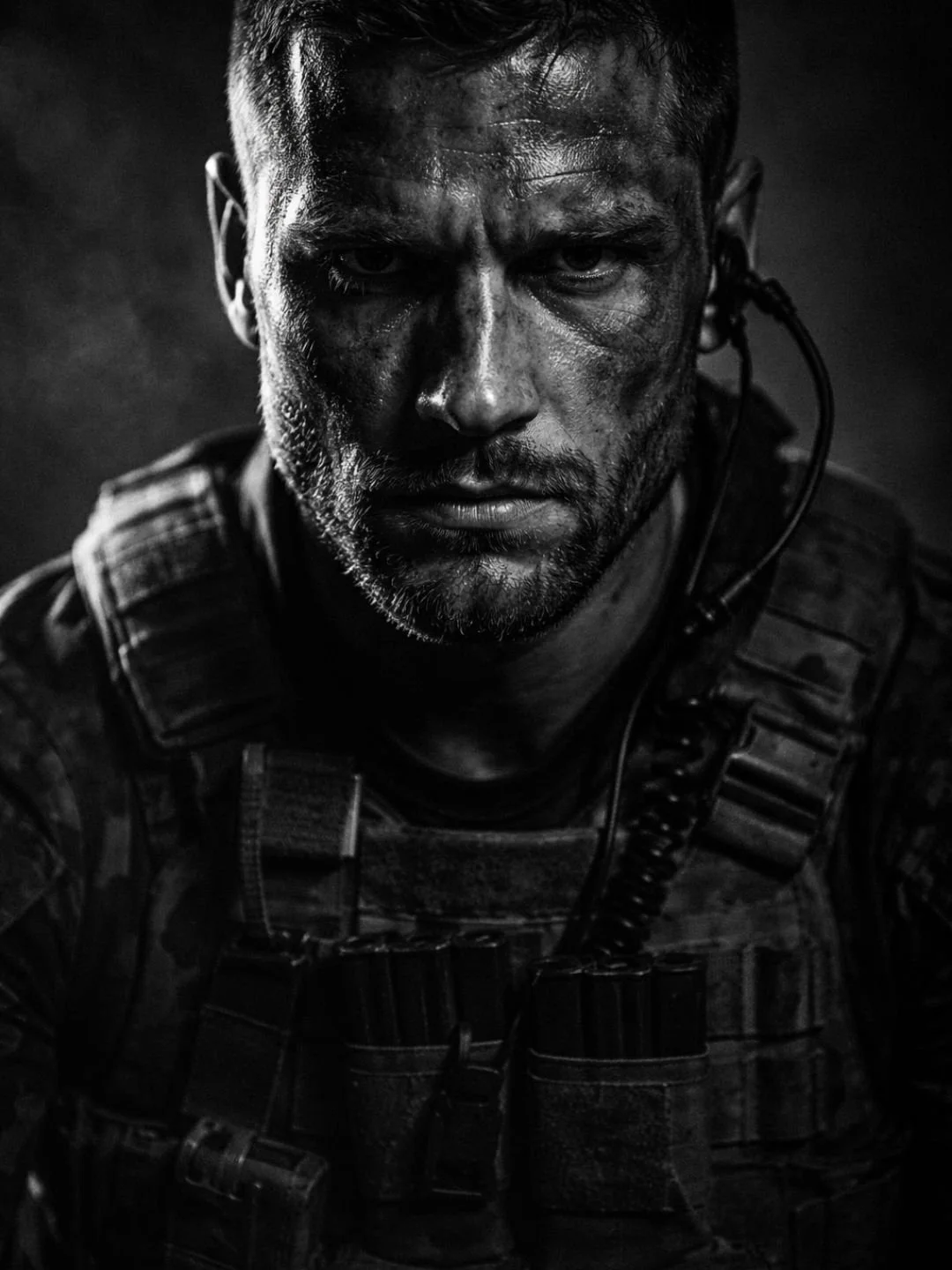
Special Operation: The Standard Is Higher Here
12-Week Performance Program
This is a 12-week performance training program built to improve strength, power, conditioning, movement quality, and overall work capacity without losing sight of what actually matters: being able to perform at a high level across a wide range of physical demands.
The program is broken into 3 progressive 4-week phases, with each phase building on the one before it. Across the full 12 weeks, the training evolves from foundational strength, control, and conditioning into more advanced outputs, higher-demand movement patterns, and improved athletic readiness. The goal is not just to get fitter in one area. The goal is to build a more complete athlete.
This program uses 6 training days per week:
2 Total Body Lift Days
1 Conditioning Day with threshold or anaerobic options
1 Work Capacity Day
1 Agility and Speed Day
1 Longer LSD / Aerobic Base Day
This layout allows you to train multiple qualities at once while still keeping the program organized, balanced, and sustainable. It is designed for athletes, tactical professionals, and highly motivated lifters who want more than bodybuilding, more than random conditioning, and more than just lifting heavy without a bigger purpose.
What This Program Is Designed to Do
This program is built to help you:
Develop full-body strength and muscular balance
Improve power, explosiveness, and coordination
Build aerobic fitness and repeatability
Improve anaerobic output and recovery
Increase work capacity and resilience
Move better, stabilize better, and handle more training over time
Become more well-rounded, durable, and capable
Rather than over-specializing too early, this program develops the qualities that matter most for long-term performance. It blends strength training, athletic movement, conditioning, and trunk stability into a system that makes sense for real-world performance.
Program Structure
The program runs for 12 weeks total and is divided into 3 phases, each lasting 4 weeks.
Phase 1 establishes the base. You will build movement quality, positional strength, coordination, aerobic fitness, and foundational work capacity.
Phase 2 increases the demand. Exercises progress, volumes and densities shift, and the athlete is asked to produce more force, more speed, and better repeatability.
Phase 3 is the highest-performance phase of the block. It pushes more advanced expressions of power, athletic movement, conditioning, and work output while still maintaining structure and recoverability.
Each 4-week phase is organized with a logical progression. Weeks 1–3 gradually build stress, while Week 4 slightly adjusts volume to help consolidate progress and manage fatigue.
Weekly Training Layout
Day 1 – Total Body Lift
A total body training day focused on explosive work, unilateral lower body strength, upper body pressing and pulling, trunk stability, and controlled accessory work. These sessions are built to improve force production, movement quality, and overall structural balance.
Day 2 – Conditioning Day
This day gives you two options depending on your needs, recovery, and goals:
Threshold option for longer sustained efforts
Anaerobic option for shorter, harder intervals
This gives the athlete flexibility while still keeping the conditioning targeted and purposeful.
Day 3 – Work Capacity Day
This session is built around longer circuits, carries, locomotion, bodyweight work, and implement-based conditioning. It is meant to improve your ability to sustain output, recover between efforts, and handle mixed-modal training under fatigue.
Day 4 – Agility & Speed Day
This day focuses on sprinting and change of direction, reactive qualities, and elastic output. It helps improve acceleration, speed mechanics, force transfer, athletic rhythm, and field-ready movement capacity.
Day 5 – Total Body Lift Day
The second total body day uses a similar full-body structure, but with different exercise selections, movement demands, and progressions. This helps build more complete development without beating the same patterns into the ground every session.
Day 6 – LSD / Aerobic Base Day
This longer, steady session builds the aerobic base that supports everything else. It improves recovery, cardiac output, repeatability, and the ability to sustain work over time. This is low-intensity, continuous conditioning done at a controlled pace.
Lift Movement Categories
The lifting days are not random collections of exercises. They are organized into movement categories, which gives the program structure and ensures that the athlete is developing the right qualities in the right places.
1. Explosive Power Movement
These are your jumps, throws, high pulls, snatches, cleans, and other fast, explosive patterns. Their role is to train intent, speed, coordination, and force production. They are placed early in the session when the athlete is fresh.
2. Unilateral Lower Body Strength
These include split squat patterns, step-ups, skater squats, and single-leg variations. They build leg strength, control, balance, and force production while also cleaning up asymmetries and improving movement quality.
3. Upper Body Pressing
Single-arm pressing patterns are used heavily throughout the program. These improve pressing strength, shoulder stability, trunk control, and coordination without requiring excessive load or unnecessary joint stress.
4. Upper Body Pulling
Rows, pulldowns, and vertical pulling patterns are included to build the upper back, lats, posture, and pulling strength. These movements also support shoulder health and help balance the pressing volume.
5. Hinge / Posterior Chain Work
Single-leg RDLs, hinge patterns, isometric hamstring work, and posterior chain accessories train the glutes, hamstrings, and hips. These are critical for sprinting, jumping, durability, and long-term lower body function.
6. Carries, Marches, and Trunk Stability
Marches, carries, anti-rotation, anti-lateral flexion, and rollout variations build the trunk the way it is meant to function: resisting motion, transferring force, and stabilizing the body under load. This is an essential piece for both athletic performance and tactical readiness.
7. Mobility / Positional Accessory Work
Select mobility and positional drills are included to improve movement quality, maintain range of motion, and support better positions during training. These are not filler. They help keep the athlete moving well enough to keep training hard.
Together, these movement categories create a balanced total body system. You are not just training muscles. You are training patterns, outputs, and qualities that transfer.
Conditioning Breakdown
This program includes multiple forms of conditioning because real performance requires more than one gear.
Threshold Work
Threshold sessions improve your ability to sustain hard efforts for longer durations. These sessions sit in the middle ground between easy aerobic work and all-out efforts. They are great for building repeatable output, conditioning efficiency, and mental pacing.
Anaerobic Work
These sessions are shorter, harder, and more aggressive. They are used to develop high-power output, repeated sprint ability, and the capacity to recover from hard efforts.
Work Capacity Training
Work capacity sessions combine muscular endurance, locomotion, carries, cyclical fatigue, and mixed-task output. This is where strength, conditioning, and grit come together.
LSD / Aerobic Development
The longer easy day builds the aerobic base that supports recovery, resiliency, and long-term conditioning development. It helps improve recovery between hard sessions and gives the athlete a bigger engine to support everything else.
Who This Program Is For
This program is a strong fit for:
Tactical athletes
Military, law enforcement, and fire/rescue personnel
Field and court athletes in off-season or general preparation phases
Lifters who want to become more athletic and better conditioned
Anyone who wants a structured, performance-driven program instead of random daily workouts
This is for the person who wants to be strong, explosive, conditioned, and capable — not just good at one thing.
Recommended Equipment
This program is garage gym friendly, but it is even better if you have access to a more complete training setup.
Recommended equipment includes:
Barbell and plates
Rack
Adjustable bench
Dumbbells
Kettlebells
Landmine attachment or barbell in a corner
Pull-up bar or lat pulldown
Cable column, pulley, or resistance bands
Sandbag or heavy odd object
Sled if available
Box or stable step-up surface
Open space for carries, crawls, jumps, and sprint work
Conditioning option such as running space, rower, bike, treadmill, ski erg, or similar implement
You do not need every single piece of equipment to run the program, but you should have enough to cover strength work, power work, locomotion, and conditioning.
What to Expect
Over 12 weeks, expect to improve:
Strength and control
Explosiveness and athletic movement
Aerobic fitness and recovery
Work capacity and output tolerance
Overall readiness and durability
This program is built to create a more complete performer. It blends strength, conditioning, and athletic development in a way that is challenging, organized, and sustainable.
#CommandYourTraining
Any duplication, retransmitted, or account of these programs without the express written consent of 13 Bar Performance, is prohibited. Reproduction of these materials will result in legal action and prosecution.
⚠️ IMPORTANT DOWNLOAD DISCLAIMER
Once you purchase this program, you will receive a downloadable file link. Please note:
You must download and save the program to your device within 24 hours of purchase.
After 24 hours, the download link will expire permanently and cannot be re-accessed.
We do not re-issue download links once they have expired.
If you fail to save the file and need access again, you will be required to re-purchase the program.
We recommend downloading to a desktop or secure cloud folder immediately after purchase.
Thank you for understanding — and for treating this training system with the same discipline it’s built to develop.
12-Week Performance Program
This is a 12-week performance training program built to improve strength, power, conditioning, movement quality, and overall work capacity without losing sight of what actually matters: being able to perform at a high level across a wide range of physical demands.
The program is broken into 3 progressive 4-week phases, with each phase building on the one before it. Across the full 12 weeks, the training evolves from foundational strength, control, and conditioning into more advanced outputs, higher-demand movement patterns, and improved athletic readiness. The goal is not just to get fitter in one area. The goal is to build a more complete athlete.
This program uses 6 training days per week:
2 Total Body Lift Days
1 Conditioning Day with threshold or anaerobic options
1 Work Capacity Day
1 Agility and Speed Day
1 Longer LSD / Aerobic Base Day
This layout allows you to train multiple qualities at once while still keeping the program organized, balanced, and sustainable. It is designed for athletes, tactical professionals, and highly motivated lifters who want more than bodybuilding, more than random conditioning, and more than just lifting heavy without a bigger purpose.
What This Program Is Designed to Do
This program is built to help you:
Develop full-body strength and muscular balance
Improve power, explosiveness, and coordination
Build aerobic fitness and repeatability
Improve anaerobic output and recovery
Increase work capacity and resilience
Move better, stabilize better, and handle more training over time
Become more well-rounded, durable, and capable
Rather than over-specializing too early, this program develops the qualities that matter most for long-term performance. It blends strength training, athletic movement, conditioning, and trunk stability into a system that makes sense for real-world performance.
Program Structure
The program runs for 12 weeks total and is divided into 3 phases, each lasting 4 weeks.
Phase 1 establishes the base. You will build movement quality, positional strength, coordination, aerobic fitness, and foundational work capacity.
Phase 2 increases the demand. Exercises progress, volumes and densities shift, and the athlete is asked to produce more force, more speed, and better repeatability.
Phase 3 is the highest-performance phase of the block. It pushes more advanced expressions of power, athletic movement, conditioning, and work output while still maintaining structure and recoverability.
Each 4-week phase is organized with a logical progression. Weeks 1–3 gradually build stress, while Week 4 slightly adjusts volume to help consolidate progress and manage fatigue.
Weekly Training Layout
Day 1 – Total Body Lift
A total body training day focused on explosive work, unilateral lower body strength, upper body pressing and pulling, trunk stability, and controlled accessory work. These sessions are built to improve force production, movement quality, and overall structural balance.
Day 2 – Conditioning Day
This day gives you two options depending on your needs, recovery, and goals:
Threshold option for longer sustained efforts
Anaerobic option for shorter, harder intervals
This gives the athlete flexibility while still keeping the conditioning targeted and purposeful.
Day 3 – Work Capacity Day
This session is built around longer circuits, carries, locomotion, bodyweight work, and implement-based conditioning. It is meant to improve your ability to sustain output, recover between efforts, and handle mixed-modal training under fatigue.
Day 4 – Agility & Speed Day
This day focuses on sprinting and change of direction, reactive qualities, and elastic output. It helps improve acceleration, speed mechanics, force transfer, athletic rhythm, and field-ready movement capacity.
Day 5 – Total Body Lift Day
The second total body day uses a similar full-body structure, but with different exercise selections, movement demands, and progressions. This helps build more complete development without beating the same patterns into the ground every session.
Day 6 – LSD / Aerobic Base Day
This longer, steady session builds the aerobic base that supports everything else. It improves recovery, cardiac output, repeatability, and the ability to sustain work over time. This is low-intensity, continuous conditioning done at a controlled pace.
Lift Movement Categories
The lifting days are not random collections of exercises. They are organized into movement categories, which gives the program structure and ensures that the athlete is developing the right qualities in the right places.
1. Explosive Power Movement
These are your jumps, throws, high pulls, snatches, cleans, and other fast, explosive patterns. Their role is to train intent, speed, coordination, and force production. They are placed early in the session when the athlete is fresh.
2. Unilateral Lower Body Strength
These include split squat patterns, step-ups, skater squats, and single-leg variations. They build leg strength, control, balance, and force production while also cleaning up asymmetries and improving movement quality.
3. Upper Body Pressing
Single-arm pressing patterns are used heavily throughout the program. These improve pressing strength, shoulder stability, trunk control, and coordination without requiring excessive load or unnecessary joint stress.
4. Upper Body Pulling
Rows, pulldowns, and vertical pulling patterns are included to build the upper back, lats, posture, and pulling strength. These movements also support shoulder health and help balance the pressing volume.
5. Hinge / Posterior Chain Work
Single-leg RDLs, hinge patterns, isometric hamstring work, and posterior chain accessories train the glutes, hamstrings, and hips. These are critical for sprinting, jumping, durability, and long-term lower body function.
6. Carries, Marches, and Trunk Stability
Marches, carries, anti-rotation, anti-lateral flexion, and rollout variations build the trunk the way it is meant to function: resisting motion, transferring force, and stabilizing the body under load. This is an essential piece for both athletic performance and tactical readiness.
7. Mobility / Positional Accessory Work
Select mobility and positional drills are included to improve movement quality, maintain range of motion, and support better positions during training. These are not filler. They help keep the athlete moving well enough to keep training hard.
Together, these movement categories create a balanced total body system. You are not just training muscles. You are training patterns, outputs, and qualities that transfer.
Conditioning Breakdown
This program includes multiple forms of conditioning because real performance requires more than one gear.
Threshold Work
Threshold sessions improve your ability to sustain hard efforts for longer durations. These sessions sit in the middle ground between easy aerobic work and all-out efforts. They are great for building repeatable output, conditioning efficiency, and mental pacing.
Anaerobic Work
These sessions are shorter, harder, and more aggressive. They are used to develop high-power output, repeated sprint ability, and the capacity to recover from hard efforts.
Work Capacity Training
Work capacity sessions combine muscular endurance, locomotion, carries, cyclical fatigue, and mixed-task output. This is where strength, conditioning, and grit come together.
LSD / Aerobic Development
The longer easy day builds the aerobic base that supports recovery, resiliency, and long-term conditioning development. It helps improve recovery between hard sessions and gives the athlete a bigger engine to support everything else.
Who This Program Is For
This program is a strong fit for:
Tactical athletes
Military, law enforcement, and fire/rescue personnel
Field and court athletes in off-season or general preparation phases
Lifters who want to become more athletic and better conditioned
Anyone who wants a structured, performance-driven program instead of random daily workouts
This is for the person who wants to be strong, explosive, conditioned, and capable — not just good at one thing.
Recommended Equipment
This program is garage gym friendly, but it is even better if you have access to a more complete training setup.
Recommended equipment includes:
Barbell and plates
Rack
Adjustable bench
Dumbbells
Kettlebells
Landmine attachment or barbell in a corner
Pull-up bar or lat pulldown
Cable column, pulley, or resistance bands
Sandbag or heavy odd object
Sled if available
Box or stable step-up surface
Open space for carries, crawls, jumps, and sprint work
Conditioning option such as running space, rower, bike, treadmill, ski erg, or similar implement
You do not need every single piece of equipment to run the program, but you should have enough to cover strength work, power work, locomotion, and conditioning.
What to Expect
Over 12 weeks, expect to improve:
Strength and control
Explosiveness and athletic movement
Aerobic fitness and recovery
Work capacity and output tolerance
Overall readiness and durability
This program is built to create a more complete performer. It blends strength, conditioning, and athletic development in a way that is challenging, organized, and sustainable.
#CommandYourTraining
Any duplication, retransmitted, or account of these programs without the express written consent of 13 Bar Performance, is prohibited. Reproduction of these materials will result in legal action and prosecution.
⚠️ IMPORTANT DOWNLOAD DISCLAIMER
Once you purchase this program, you will receive a downloadable file link. Please note:
You must download and save the program to your device within 24 hours of purchase.
After 24 hours, the download link will expire permanently and cannot be re-accessed.
We do not re-issue download links once they have expired.
If you fail to save the file and need access again, you will be required to re-purchase the program.
We recommend downloading to a desktop or secure cloud folder immediately after purchase.
Thank you for understanding — and for treating this training system with the same discipline it’s built to develop.